Interviews frequently signify the most crucial phase in a job seeker’s career path, yet many underestimate how clothing influences initial perceptions. Employers often assess professionalism, detail orientation, and cultural alignment within the first few seconds. When an individual’s appearance fails to align with the organization’s atmosphere or standards, even a highly competent candidate may find it challenging to counter that preliminary bias. Therefore, grasping how clothing choices affect judgments is vital for interview success.
With extensive experience aiding candidates in federal, executive, and entry-level roles, hiring specialists underscore one consistent fact: clothing conveys respect for the process. This guide is crafted for job seekers gearing up for interviews across sectors—from healthcare and tech to education and finance—who aim to sidestep common dressing pitfalls. It offers an elaborate overview of what to avoid wearing to an interview and how to synchronize attire with professional standards in any context.
The Importance of Knowing What Not to Wear to Interview Attire
In business environments, clothing articulates a message that precedes verbal communication. It conveys nonverbal signals regarding reliability, seriousness, and comprehension of business customs. Studies consistently indicate that employers create impressions based on candidates’ appearances early in the interview, often before assessing their qualifications. For interviewers managing multiple candidates, visual impressions act as a shortcut to evaluate readiness and professionalism.
Interview attire also communicates an understanding of industry standards. For example, healthcare professionals are often judged based on cleanliness and neatness, mirroring workplace hygiene expectations. Tech startups may appreciate contemporary, business-casual attire that signifies innovation and comfort with agile cultures, while finance or legal sectors still adhere to traditional formal norms. Adapting one’s outfit to these unspoken codes demonstrates situational awareness—a desirable soft skill valued across various fields.
Moreover, clothing plays a psychological role. Neat, well-fitting garments elevate personal confidence and help alleviate interview anxiety. A candidate feeling uncomfortable in clothing that seems too relaxed, tight, or flashy may lose focus. Similarly, interviewers subconsciously link neatness with reliability and attention to detail. Proper attire thus bolsters an applicant’s verbal presentation and enhances the consistency between personal branding and employer expectations. Simultaneously, recognizing what not to wear to an interview preserves professionalism and keeps credibility at the forefront.
Frequent Interview Attire Errors to Sidestep
Numerous job seekers diligently prepare their interview answers and resumes; however, attire mistakes can easily undermine that preparation. Knowing what not to wear to an interview removes unnecessary risk and guarantees that full attention remains on qualifications, not distractions. The upcoming sections pinpoint some of the most prevalent dressing missteps in professional settings.
1. Overly Casual Attire
Jeans, shorts, T-shirts, or hoodies are seldom suitable unless explicitly permitted in tech startups or creative sectors. Even when companies uphold relaxed dress codes, appearing slightly more polished conveys initiative and respect toward the occasion.
2. Wrinkled, Dirty, or Stained Clothing
Attention to presentation signifies organizational abilities. Disordered attire suggests carelessness or lack of attention to detail—two characteristics no hiring manager seeks in an employee.
3. Overpowering Fragrance or Strong Scents
Perfumes and colognes should be minimal or avoided entirely, as sensitivities are prevalent in confined meeting environments.
4. Distracting Accessories
Oversized jewelry, vivid ties, or extravagant handbags can divert attention from dialogue. Accessories should enhance, never overshadow, a professional persona.
5. Revealing Clothing
Low-cut blouses, short skirts, or tight-fitting garments create discomfort and pose risks of appearing unprofessional. Conservative choices are always wiser for formal interviews.
6. Inappropriate Footwear
Flip-flops, sneakers, or worn-out shoes diminish otherwise formal outfits. Polished dress shoes, neutral flats, or clean closed-toe heels display care and attention to detail.
7. Graphic or Controversial Patterns
Attire featuring slogans, political statements, or casual logos detracts from credibility and shifts focus from interview discussions.
8. Heavy Makeup or Overly Elaborate Hairstyles
Subtle tones and simple grooming establish balance and approachability. Excessive cosmetics or experimental hairstyle colors can obfuscate professional identity.
9. Ill-Fitting Jackets or Baggy Suits
Poorly fitted clothes indicate inadequate preparation. Custom tailoring assures comfort in movement and showcases a commitment to self-presentation.
10. Overlooking Company Culture
Wearing a three-piece suit to an informal tech employer or sneakers to a law firm interview signals a disconnect. Investigating the company’s dress code guarantees consistency.
Each error mentioned above hinders hiring managers from concentrating on a candidate’s abilities and compatibility with organizational principles. Suitable clothing establishes a neutral, professional basis that accentuates communication, proficiency, and assurance rather than distractions.
Industry-Specific Expectations
While general guidelines assist in shaping fundamental appearance, sectors throughout the U.S. demonstrate varying cultural standards concerning professional dress. Understanding what to avoid wearing to an interview is largely dependent on each company’s persona, values, and working atmosphere. The secret lies in interpreting these anticipations prior to the interview.
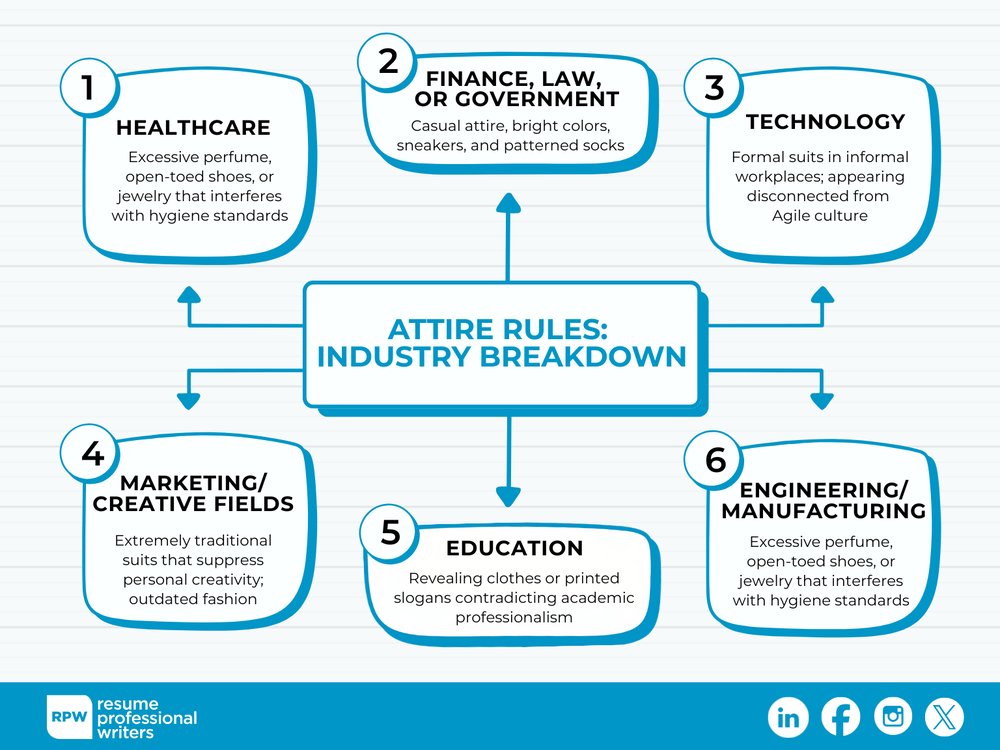
This flexibility enables job applicants to display both uniqueness and harmony. For example, marketing experts might incorporate slight bursts of color to express creativity, while engineers typically prefer structured, neutral-hued business casual outfits. On the other hand, showing up to a manufacturing facility interview dressed extravagantly might foster feelings of disconnection from the working culture. Aligning one’s appearance with the environment translates into purposeful career communication.
The Psychology Behind First Impressions
Human choices during interviews frequently depend on unconscious signals. Research on organizational behavior indicates that interviewers form initial impressions in as little as seven seconds. Apparel, tidiness, and grooming significantly impact these evaluations, often occurring well before a discussion starts. Employers inadvertently link polished attire with discipline and intellectual organization—a tendency that can either favor or hinder candidates based on their presentation.
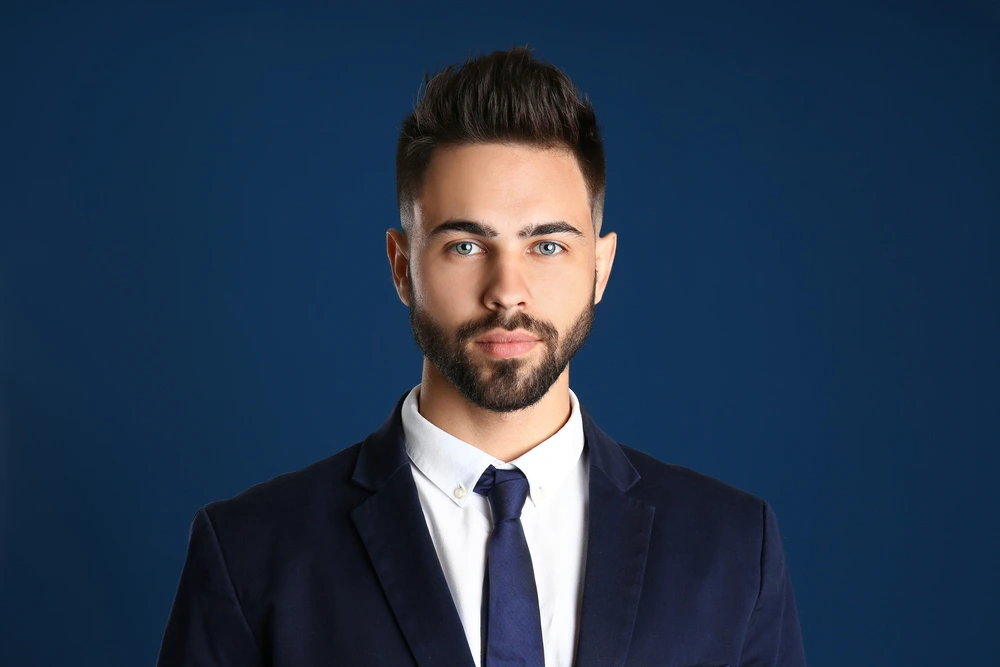
Color psychology also plays a quiet but influential role. Dark hues such as navy or charcoal evoke authority and stability, while softer tones—beige, gray, or cream—suggest approachability. In contrast, vibrant or excessively bright outfits might provoke impressions of impulsiveness or lack of restraint. Grasping these nuances enables job seekers to relay cultural alignment without uttering a word.
Moreover, self-perception reflects external appearance. When dressed appropriately, candidates radiate composure and assurance, thereby reinforcing credibility through their posture and tone. This concept—termed “enclothed cognition”—illustrates that attire not only affects how others perceive individuals but also how individuals perform when under pressure.
Thus, suitable attire functions as both mental readiness and strategic branding. Consequently, understanding what not to wear to an interview aids in reinforcing your credibility and enhancing psychological advantages since the correct attire signifies professionalism, aligns with company culture, and bolsters the self-assurance necessary to excel under pressure.
Case Study: A Professional Pivot Through Image Awareness
Before
A mid-career marketing coordinator shifting into corporate communications frequently progressed to the final interview stages but struggled to secure job offers. Despite excellent qualifications, feedback indicated that her dressing style seemed too informal and innovative for the traditional industries she pursued—an illustration of what not to wear to an interview when targeting conventional corporate roles.
Strategy
After enlisting the help of a career stylist, she adopted a minimalist wardrobe—structured blazers, neutral color schemes, and understated accessories. This transition complemented her professional accomplishments and aligned more closely with executive expectations for media relations positions.
After
Within two weeks, she garnered multiple offers from companies that had previously rejected her applications. The change underscored how modifying small visual elements can considerably enhance perceived fit and leadership potential.
Balancing Personal Style With Professionalism
Many professionals fear that conforming to corporate norms necessitates sacrificing personality. Nevertheless, equilibrium is attainable. Subtle personal accents—a distinctive watchband, textured scarf, or softly hued tie—can convey assurance while maintaining workplace propriety. Authenticity resonates most effectively when expressed within professional boundaries.
Grooming holds equal significance in achieving this balance. Well-kept nails, neat hair, and neutral grooming choices work in harmony with wardrobe items to create a unified impression. Similarly, minimalism enhances refinement; exercising restraint often conveys awareness of the context—an essential skill for any position involving communication or leadership.
In sectors like fashion or design, limited creativity can become counterproductive. In those environments, tasteful self-expression demonstrates assurance and alignment with brand identity. Ultimately, achieving the right balance relies on reading the atmosphere—interpreting signals from company websites, social media profiles, or recruiter communications before finalizing choices. Similarly, understanding what not to wear to an interview guarantees that individuality never overshadows professionalism.
Final Preparation Checklist Before the Interview
Preparation extends beyond selecting clothing. A tactical checklist ensures that every visual element contributes to a unified professional narrative. Job seekers can utilize this structured method to avert last-minute oversights.
This checklist will assist in showcasing intentionality—a trait that employers frequently connect with leadership prospects.
✅ Examine clothing under bright illumination to verify cleanliness and remove lint or wrinkles.
✅ Ensure footwear is polished, devoid of noticeable scuffs or worn-down heels.
✅ Verify accessories are basic and practical: a wristwatch, pen, or notebook may be adequate.
✅ Prepare alternate attire to tackle emergencies such as weather variations or unintentional stains.
✅ Limit noticeable piercings and ensure tattoos are concealed appropriately according to corporate standards.
✅ Confirm that the outfit permits comfortable sitting, reaching, and walking to avoid awkward situations.
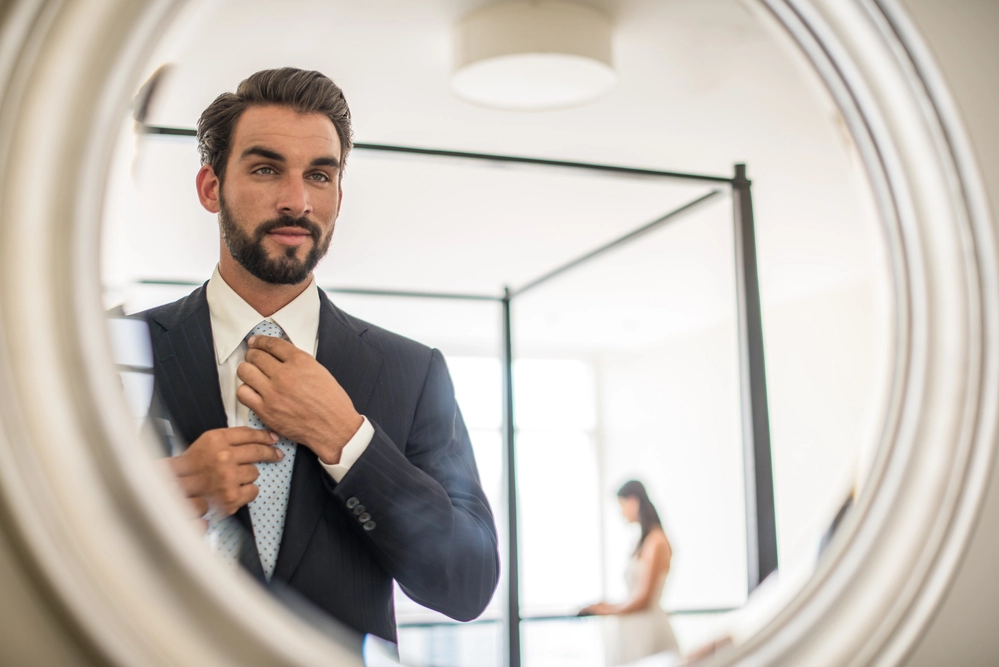
✅ Conduct a mirror inspection in both natural and artificial light to evaluate color coordination.
Candidates who demonstrate attention to detail often reassure hiring managers of their dependability in workplace responsibilities. Additionally, understanding what not to wear to an interview reinforces this dependability, as steering clear of casual, flashy, or unsuitable attire keeps the focus on competence rather than distractions.
Professional Presence Beyond Attire
Even impeccable clothing choices cannot offset nonverbal discrepancies such as poor posture, a weak handshake, or excessive phone usage prior to the interview. Professional presence merges attire with a composed demeanor, polite responses, and authenticity. The combination of these elements signals readiness to represent the organization with confidence.
Job seekers must remember that recruiters assess alignment between the spoken message, tone of voice, and visual representation. Mismatched signals—such as inappropriately chosen clothing alongside strong qualifications—can induce cognitive dissonance. When personal image aligns flawlessly with verbal professionalism, credibility is enhanced. This alignment also necessitates awareness of what not to wear to an interview, as unsuitable attire can diminish the professionalism candidates aspire to convey.
Creating a Lasting Polished Impression
Ultimately, interviews demand more than rehearsed responses—they unveil interpersonal intelligence. Appropriate attire indicates preparation, empathy, and understanding of expectations. Whether participating in-person or remote interviews, attention to clothing, lighting, and visible background strengthens professionalism. Minor details—like neatly pressed cuffs or ironed collars—often upgrade presentation from acceptable to outstanding. Hence, grasping what not to wear to an interview is equally vital, as inappropriate selections can divert attention from competence and weaken professionalism.
In fiercely competitive job markets, projecting credibility transcends mere fashion—it reflects respect for the opportunity. A candidate who invests in preparedness conveys genuine enthusiasm for the position. For many professionals, attaining that composure and confidence starts earlier in the process with career materials crafted by professional resume writers who ensure that every career aspect, from resume to interview attire, aligns towards success.
Frequently Asked Questions
What colors are deemed most professional for an interview?
Neutral and subdued shades like navy, charcoal gray, beige, black, and white are the most prudent selections. A subtle accent hue, such as blue or a soft pastel, can enhance approachability. The LinkedIn Executive Style Guide (2025) indicates that tones like blue, black, and gray consistently evoke trust, stability, and professionalism across various industries.
Is business casual suitable for most interviews?
Business casual is appropriate for many fields such as technology, education, and creative marketing; however, job seekers should lean toward a slightly more formal appearance than daily office standards. Investigating company culture and employee images on platforms like LinkedIn can assist in pinpointing the suitable dress tone.
What should not be worn to a camera interview during a remote session?
Attire with stripes, logos, or patterns that distort on camera should be avoided. Cameras can highlight contrast unpredictably, making solid, neutral colors more favorable. Candidates should also ensure that lighting enhances skin tone without creating glare or shadows that distract from facial expressions.
How significant are shoes in forming a first impression?
Shoes finalize the overall appearance. Scuffed, soiled, or casual footwear undermines otherwise professional attire. Polished dress shoes or closed-toe flats exhibit discipline and respect, especially in in-person interviews where detailed visual presentation is immediately noticeable.
Can accessories aid in expressing a personal brand during interviews?
Absolutely, in moderation. Thoughtfully selected accessories, like a classic timepiece, minimalist jewelry, or a simple belt, can enhance sophistication without distraction. Overly bold or flashy items can shift focus away from the dialogue and should be kept minimal. Consistency and restraint amplify professionalism.