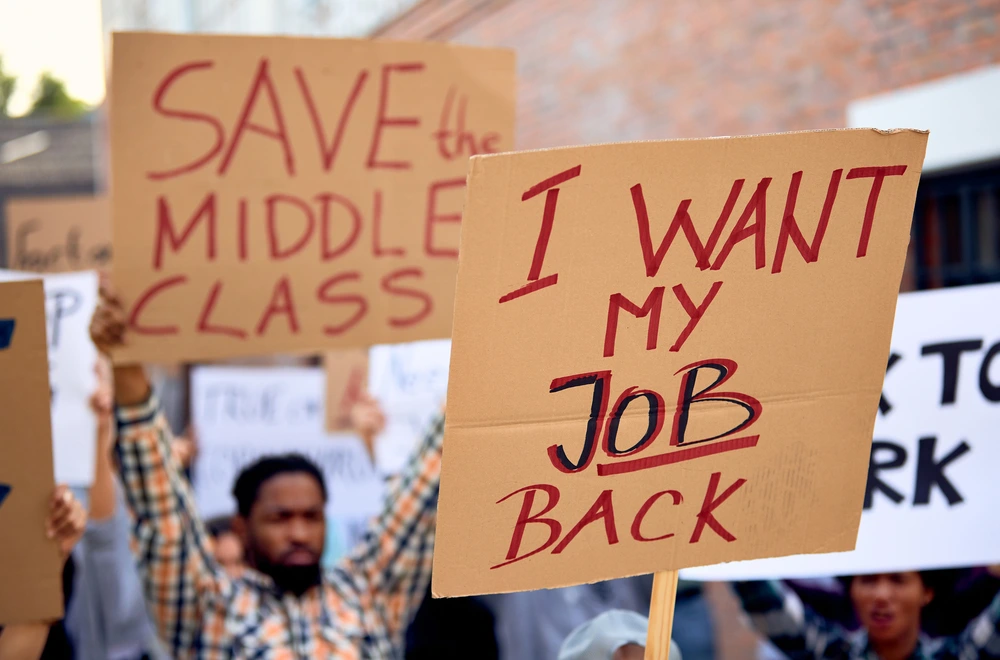
Periods of employment loss frequently usher in uncertainty and frustration, yet comprehending the various forms of unemployment can significantly impact outcomes. Whether dealing with abrupt layoffs, career transitions, or shifts in industry, job hunters—from executives to new graduates—gain reassurance by recognizing the character of their employment void and customizing their reemployment approach.
This manual examines economic cycles, job market requirements, and individual employability aspects to assist professionals in navigating various types of unemployment with assurance. By grasping these dynamics, individuals can cultivate resilience, enhance their reemployment tactics, and align their job search with the shifting trends of the contemporary workforce.
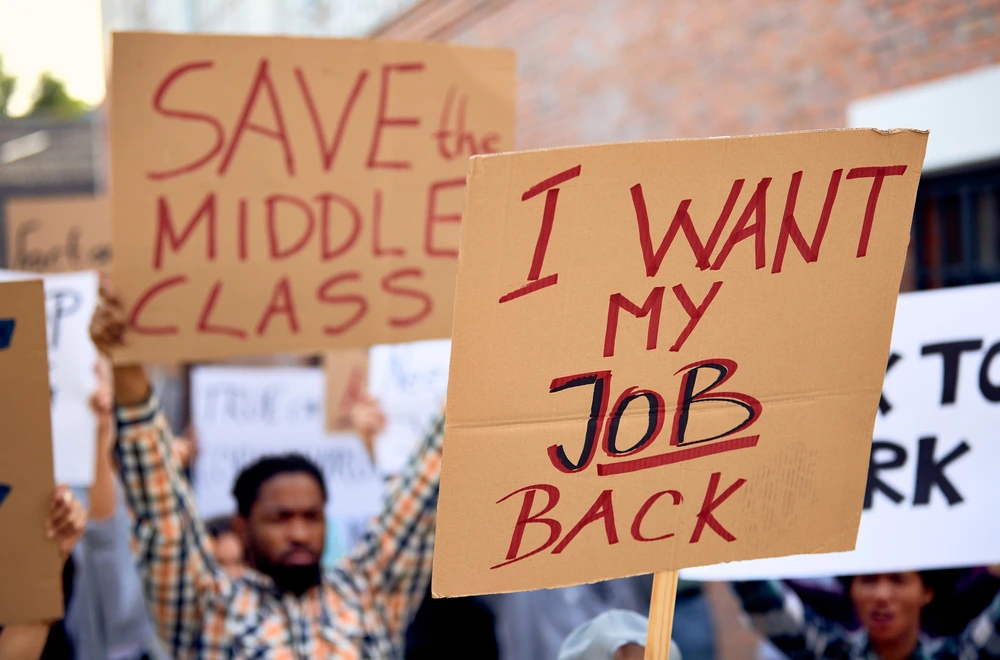
Clarifying Unemployment in Economic and Practical Contexts
Unemployment is more than a mere figure—it serves as a strong indicator of an economy’s health and resilience. Fundamentally, unemployment arises when individuals who are eager and capable of working are actively searching for job opportunities but are unable to secure employment. Economists regard it as an essential gauge of labor efficiency, workforce readiness, and overall economic stability.
The U.S. Bureau of Labor Statistics (BLS) monitors unemployment through monthly assessments, differentiating between those who are employed, unemployed, or not partaking in the labor market. This information, gathered from the Current Population Survey, illustrates the portion of the workforce presently out of work yet available for employment.
Importance of Understanding
- Economic Stability: An increase in unemployment frequently indicates decelerating growth as consumer expenditure dwindles.
- Business Confidence: Low unemployment demonstrates vigorous hiring activity but can also instigate wage inflation and competition among employers.
Beyond statistics, unemployment symbolizes individual experiences, market transformations, and productivity changes. Acknowledging the types of unemployment empowers job seekers to refine strategies and assists policymakers in designing targeted measures to minimize joblessness and enhance workforce resilience.
Primary Types of Unemployment
Economists and career development specialists classify unemployment into five principal categories: frictional, structural, cyclical, seasonal, and institutional. Each category reveals a distinct labor market challenge and presents varied implications for job seekers and employers. Grasping the differences in types of unemployment aids professionals in developing effective career strategies, particularly during times of transition or retraining.
Frictional Unemployment
Temporary joblessness occurring during career shifts or role alterations. Often regarded positively, it signifies the time necessary for employees and employers to find appropriate matches. Instances include a professional departing one role to seek a better opportunity or a recent graduate pursuing their initial full-time job. These transitions are vital for enhancing efficiency in the labor market.
Structural Unemployment
Unemployment resulting from economic changes and evolving sectors. Automation, AI, and offshoring can render certain skills outdated. For instance, automation in manufacturing and AI-based systems have supplanted numerous traditional positions. To navigate structural unemployment, workers frequently need retraining, upskilling, or formal education in emerging technologies or sought-after fields.
Cyclical Unemployment
Directly associated with economic cycles, cyclical unemployment escalates during recessions when collective demand wanes, causing layoffs and business shutdowns. As consumer spending and investments diminish, employers trim workforce numbers. Nonetheless, cyclical unemployment typically recedes during recovery phases, when output, hiring, and consumer confidence rebound. Government stimulus initiatives and public works projects often address this type to stabilize the economy.
Seasonal Unemployment
Specific sectors, such as tourism, agriculture, and construction, experience variations based on seasonal demand. Employees in these industries may encounter intermittent unemployment during off-peak periods. For example, ski instructors and farm workers commonly experience seasonal gaps. Acknowledging these cycles enables individuals to plan supplementary income or pursue alternative employment during downtimes.
Institutional Unemployment
Institutional unemployment stems from structural or policy-related hurdles that restrict employment opportunities. Minimum wage legislations, labor regulations, or limitations on hiring and termination can affect employers’ willingness to increase staff. Furthermore, discrimination, stringent licensing requirements, or inadequate unemployment benefits can inadvertently extend joblessness.
Each type of unemployment impacts income stability, duration of job searches, and skills alignment in distinct ways. By understanding these dynamics, job seekers can customize their career strategies—whether by acquiring specialized certifications, exploring remote work options, or shifting towards high-growth fields like technology or healthcare.
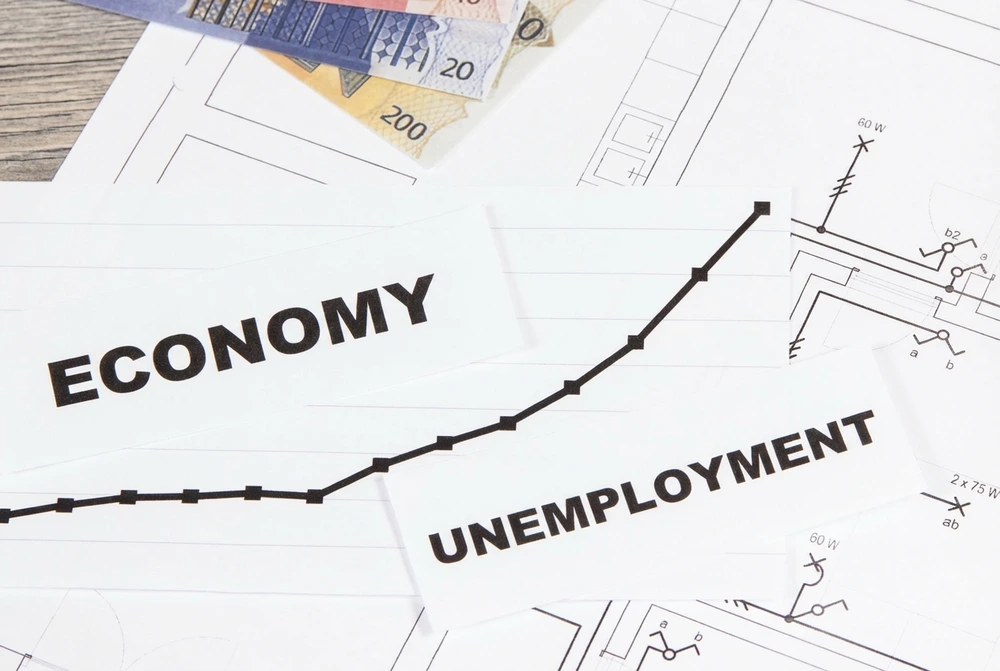
How Economic Factors Affect Unemployment
Unemployment is not a static figure; it is a fluctuating target molded by the rhythm of the economy. From global trade changes to national monetary policy, every macroeconomic decision resonates throughout the job market.
- Economic downturns reduce consumer demand, compelling businesses to downsize.
- Thriving economies spark production, stimulate job creation, and attract more individuals into the workforce.
Inflation vs. Unemployment: The Balancing Challenge
The connection between
inflation and joblessness is frequently represented by the Phillips Curve—a traditional economic framework illustrating their reciprocal relationship.
- Minimal unemployment → Increasing wages → Escalating inflationary tensions.
- Elevated unemployment → Reduced wage increments → Stabilized pricing.
Policymakers carefully navigate this, modifying interest rates, fiscal expenditures, and taxes to manage both inflation and joblessness.
Technology: The Quiet Disruptor of the Job Market
Beyond conventional economic instruments, technology is altering the employment landscape. Automation, robotics, and AI are redefining labor demand, focusing on abilities that merge cognitive skills with technical knowledge.
- Positions lost: Routine physical jobs susceptible to automation.
- Positions generated: Opportunities in data handling, cybersecurity, renewable resources, and sustainable technology.
The crux? Flexibility is the paramount career asset. Professionals who acquire new skills and welcome innovation are more likely to excel in the future economy.
Joblessness extends beyond mere numbers—it mirrors how economies transform, how officials act, and how workers adjust. Grasping the various forms of unemployment and their principal influencers is not just theoretical; it’s crucial for anyone navigating the rapidly evolving job market.
Illustrative Examples of Each Type of Unemployment
| Category of Unemployment | Common Real-World Example |
|---|---|
| Frictional | A marketing analyst departs to pursue more lucrative roles elsewhere. |
| Structural | A coal mining operator loses employment as the sector diminishes due to clean energy movements. |
| Cyclical | Assembly line workers are laid off during a national downturn as consumer demand wanes. |
| Seasonal | Retail workers engaged during the festive season are released after the sales conclude. |
| Institutional | A firm postpones operational expansion due to regulatory constraints and elevated labor taxes. |
These instances demonstrate that not all unemployment is inherently detrimental. Frictional unemployment, for example, enhances career mobility and economic adaptability, whereas structural unemployment highlights the importance of skill enhancement. By identifying which scenario pertains to their career transition, job seekers can more effectively strategize on minimizing their time between job opportunities.
Comprehending the Natural Rate of Unemployment
The natural rate of unemployment represents the fundamental level that remains even when the economy achieves “full employment.” It indicates the inevitable changes in the labor market, such as individuals switching jobs, industries changing, and skill requirements evolving.
Recent labor models suggest that the natural rate typically lies between 3.5% and 5% in the United States, based on BLS trend evaluations. Economists warn that driving unemployment below this equilibrium is seldom viable. When labor markets tighten excessively:
- Wages spike, intensifying inflationary pressures.
- Employers compete intensely for skilled workers, escalating costs.
- Policymakers intervene with interest rate increases, fiscal modifications, or tax policies to restore equilibrium.
The goal isn’t to achieve zero unemployment. Policymakers should strive for a sound equilibrium where job growth flourishes without overheating the economy.
For job seekers, recognizing this standard aids in framing individual unemployment experiences within a larger economic context rather than personal failings.

The Function of Education and Skill Growth in Mitigating Unemployment
Education serves as more than a route to knowledge—it’s a principal barrier against unemployment, especially structural and cyclical types. By providing workers with versatile, technical, and interpersonal skills, education facilitates seamless transitions across industries and economic cycles.
As industries evolve, reskilling converts displacement into opportunity.
- Vocational education equips individuals for practical, specialized roles. For instance, displaced manufacturing workers who retrain in electric vehicle assembly, logistics automation, or renewable energy sectors can decrease long-term unemployment.
- Micro-credentials and certifications keep workers in sync with changing job criteria. Apprenticeships and industry qualifications, developed through cooperation among educational institutions, governments, and companies, deliver practical experience that enhances employability and aids in bridging the skills gap.
- Lifelong learning initiatives foster continuous education and career resilience. New graduates gain a competitive edge by cultivating data analytical, project management, and communication abilities—skills valued across sectors.
By adopting a mindset of continuous learning, professionals actively reduce their susceptibility to workforce interruptions.
Government Approaches and Unemployment Oversight
Government programs play a vital role in how economies manage various types of unemployment—from cyclical declines to structural transitions incited by technology. By integrating fiscal actions, monetary policies, and safety nets, officials strive to stabilize the labor market while fostering workforce involvement.
Fiscal Strategies
In times of economic downturn, governments implement expansionary measures to…
Fiscally oriented strategies to address cyclical unemployment. These strategies directly address unemployment by stimulating growth and facilitating reskilling.
- Infrastructure investment generates immediate employment and stimulates demand.
- Tax incentives increase disposable income for consumers, spurring economic activity.
- Grants for workforce development and retraining resources from the U.S. Department of Labor assist those affected by automation or trade transitions in shifting to new sectors.
Monetary Strategies
The Federal Reserve indirectly affects unemployment by modifying interest rates to manage inflation and stimulate or limit lending.
- Reduced rates → Lower borrowing costs → Business growth → Increased hiring.
- Elevated rates (contraction) → Slower development → Temporary uptick in unemployment, but inflation management.
This balancing act is vital for regulating both cyclical and frictional unemployment types, ensuring the economy remains stable while still fostering job creation.
Support Systems
In addition to fiscal and monetary tools, governments establish safety nets that safeguard workers while promoting reemployment.
- Unemployment benefits sustain consumer expenditure, averting deeper downturns.
- Job training initiatives motivate displaced individuals to upskill, minimizing structural unemployment.
- Integrated benefits prevent long-term dependency by combining financial support with pathways back to employment.
The objective is evident: to provide stability without hindering job search efforts.
Unemployment and the Future of Work in the U.S.
The U.S. job market is changing rapidly. Remote work, digital collaboration, and AI-based solutions are redefining industries—creating new prospects while rendering traditional jobs obsolete. Administrative roles are diminishing, whereas the need for technology experts, cybersecurity professionals, and healthcare support staff is increasing.
Modern employment also introduces new categories—freelancers, gig workers, and hybrid employees—transforming how future unemployment statistics reflect different unemployment types.
Skills for Lifelong Employability
Career resilience now relies on adaptability:
- Skill anticipation: Predicting industry changes.
- Networking flexibility: Cultivating connections in fluctuating markets.
- Personal branding: Demonstrating value through resumes and online profiles.
Resumes customized to emphasize measurable impact, transferable skills, and digital competency stand out in ATS-optimized job markets.
Gig Economy: Autonomy vs. Vulnerability
The gig economy provides freedom but comes with challenges:
- Advantages: Flexible schedules and independence.
- Challenges: Unpredictable earnings and limited unemployment safeguards.
Policymakers are investigating portable benefits and equitable labor across different employment models. In the meantime, workers protect themselves by diversifying skills and enhancing their networks.
Key Insight
The future of work will transform how we assess and manage various forms of unemployment. Success relies on adaptability—embracing continuous learning, utilizing digital tools, and navigating new employment frameworks. For U.S. workers, resilience is the cornerstone of enduring career stability.

Cultivate Resilience During Unemployment
Emotional and strategic resilience enables job seekers to rebound more swiftly from unemployment. Establishing a structured approach—including upskilling, targeted networking, and enhancing resumes—mitigates discouragement and hastens reintegration into the workforce. Job seekers should also maintain daily routines, utilize professional networks, and consider volunteering to stay visible and engaged during unemployment.
Financial literacy is crucial during unemployment phases. Formulating a practical budget, focusing on necessities, and assessing eligibility for temporary assistance ensure stability throughout transitions. Additionally, diversifying income sources, such as freelance roles or online consulting, can ease financial pressure while sustaining professional relevance.
Resilience encompasses more than individual efforts. Community support networks, workforce boards, and career counseling facilities provide essential backup. Numerous professionals also seek assistance from professional resume writers who create data-centric, market-aligned documents that attract recruiters and satisfy contemporary ATS criteria. These resources revive momentum during uncertain career periods and enhance chances for meaningful reemployment.
Commonly Asked Questions
What are the five primary forms of unemployment?
The main categories include frictional, structural, cyclical, seasonal, and institutional unemployment. Each signifies distinct causes of joblessness—from voluntary career shifts and skill mismatches to economic downturns and regulatory challenges.
Which type of unemployment is deemed inevitable?
Frictional unemployment is often unavoidable as it arises from normal workforce transitions. It indicates the natural gap between leaving one position and starting another, as individuals seek roles that align with their qualifications.
How does structural unemployment differ from cyclical unemployment?
Structural unemployment happens when changing industries or technologies render existing skills obsolete, while cyclical unemployment results from downturns in economic performance that temporarily diminish labor demand.
What significance does education hold in preventing unemployment?
Education enhances flexibility by equipping individuals with versatile, future-proof skills. Training programs, certifications, and advanced education boost employability, especially against job losses driven by automation.
How is the unemployment rate computed in the U.S.?
The U.S. Bureau of Labor Statistics calculates it by dividing the count of unemployed individuals actively pursuing work by the overall labor force. This statistic is released in the monthly Employment Situation report.