

Envision this: a highly capable candidate discovers your job listing and decides to submit an application. Two months later, they’re still waiting for a response. Meanwhile, they have shared their experience with friends and colleagues. That single encounter, or lack of it, has already harmed your employer brand.
Companies worldwide continue to engage in discussions about talent shortages and hiring difficulties. Simultaneously, many are inadvertently pushing candidates away through a subpar hiring experience. A well-organized candidate experience is not merely a recruitment initiative; it’s a strategic business approach. Enhance the candidate experience, and you will improve hiring results, fortify your employer brand, and boost your capacity to attract elite talent.
What Is the Candidate Experience & Why Is It Important?
The candidate experience encompasses the entire job-seeker journey, from the initial contact to onboarding. It commences the moment an individual interacts with your organization and persists through every phase of the hiring process.
Every step influences a candidate’s view of your organization. Candidates are not only being assessed; they are also judging you. A mishap at any stage can either foster trust or diminish it.
Moreover, candidates don’t merely walk away after a negative experience. A recent survey indicated that nearly 60% of applicants have encountered a negative candidate experience. Among those candidates, 72% shared their thoughts with their network, both online and offline. That not only tarnishes your reputation but also reduces your future talent pool.
The financial repercussions can be considerable as well. Between recruitment costs, onboarding expenses, lost productivity, and workflow interruptions, prolonged vacancies can incur expenses ranging from 50% to 200% of the salary of the departing employee.
What’s Wrong & How to Remedy It
Every phase of the hiring process presents a chance to create a positive impression. Here are areas where organizations often stumble and ways to enhance the experience.
Careers Page & Job Site
Common Problems
- Difficult page navigation
- Dead job links
The Solution
Candidates ought to be able to locate job openings swiftly and effortlessly. Details about your organization can help draw applicants, but they shouldn’t complicate the job search. Consider positioning open roles at the top of the page with supporting information below.
Job Descriptions
Common Problems
- Overstated requirements that don’t match the role
- Excessive corporate lingo or company-specific jargon
- Unrealistic qualifications compared to duties or pay
- Absence of salary details
The Solution
Deliver a straightforward, concise, and accurate summary of the role. Be open regarding duties, pay, and in-office expectations. One of the most frequent frustrations among job seekers is the absence of salary information. “‘Competitive salary’ does not assist me in deciding if I can afford to apply for your job!” states one job seeker on Reddit. If these specifics aren’t finalized, you’re likely not prepared to start recruiting.
Application Process
Common Problems
- Obsolete or malfunctioning ATS systems
- Overly complicated applications
- Resume parsing mistakes prompting candidates to re-enter details
The Solution
More than half (60%) of job seekers abandon their applications due to being excessively lengthy or complicated. Simplify the process wherever feasible. Limit required information, optimize for mobile, eliminate mandatory account creation, and mitigate duplicate data entry. Every extra hurdle increases the chances of candidate dropout.
Communication & Follow-Up
Common Problems
- No acknowledgment that an application was received
- Delayed feedback or complete silence
- Prolonged gaps between interviews without updates
- Unclear timelines or subsequent steps
The Solution
Prompt communication is vital. 65% of job seekers indicate they rarely or never receive updates regarding a job application, and more than half waited at least three months for feedback. Automate application confirmations, establish expectations regarding timelines, and provide updates throughout the process. Even a brief message informing candidates that you’re still assessing applications helps maintain trust. When a candidate is no longer being considered, communicate that decision swiftly so they can proceed.
Interview Process
Common Problems
- Excessive interview rounds
- Lengthy unpaid assessments
- Unannounced AI or bot interviews
- Modifications to pay, flexibility, or job duties during the process
The Solution
Define the interview process prior to posting the position. Identify who genuinely needs to be involved and keep the process concentrated. For most roles, a phone screening followed by two rounds of interviews should suffice. Lengthy rounds with four to five extensive interviews “typically compels an individual to take a day or several half-days off from their job merely to accomplish it,” states a prospective job applicant. Whenever feasible, implement panel interviews to minimize superfluous stages. Most importantly, maintain openness and uniformity throughout the entire procedure.
Proposal Phase
Frequently Encountered Problems
- Unreasonable timeframes to accept a proposal
- Restricted adaptability concerning start dates
The Solution
Accepting a new position is a significant decision. Applicants often require time to converse about the opportunity with their families, evaluate alternatives, and get ready for a transition. While quick hiring is crucial, adaptability during the proposal phase fosters goodwill and enhances the chances of a successful commencement.
The Disclaimer: Not All Recruitment is Identical
It’s crucial to acknowledge that not every recruitment procedure is alike. Specialized positions in legal, medical, scientific, and various other technical domains likely involve a lengthier, more comprehensive process. Regardless of intricacy, the same guidelines apply: clarity, effectiveness, and consideration.
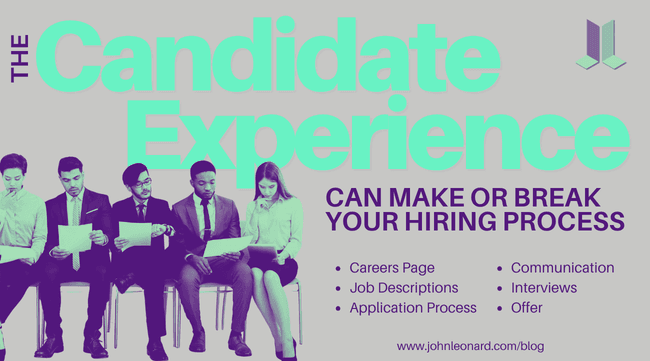
The applicant experience can determine the success or failure of your recruitment process. In a competitive environment, it’s one of the few advantages completely within your grasp. Keep in mind: you’re not the only one conducting evaluations. Candidates assess your organization at every stage.
Need assistance in optimizing your recruitment? Connect with our Staffing Consultants today!