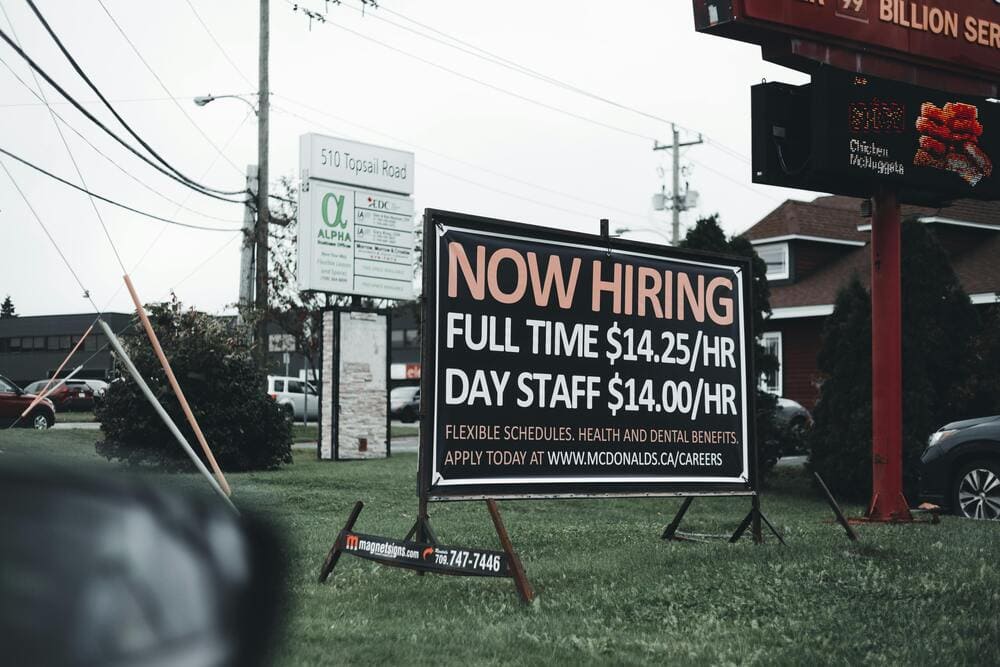
Comprehensive employee benefits influence your team members’ commitment and contentment. The advantages provided at a workplace impact a team member’s allegiance to the organization. For example, a subpar benefits package might lead new hires to switch to rival companies offering superior incentives that cater to their requirements.
While employee benefits have historically centered on paid time off, bonuses, and retirement schemes, the Digital Age has shown evolving priorities and feelings among employees. Currently, workers prefer adaptable schedules and overall wellness, motivated by a sense of mission.
A LinkedIn survey indicated that 76% of workers and job seekers considered diversity vital when evaluating job proposals. Hence, implementing inclusive employee benefits could significantly enhance talent acquisition should the job market become increasingly competitive.
We have gathered 17 inclusive employee benefits to implement in 2026 to assist your organization in attracting qualified candidates and regularly addressing the talent shortage.
17 Inclusive Employee Benefits for 2026
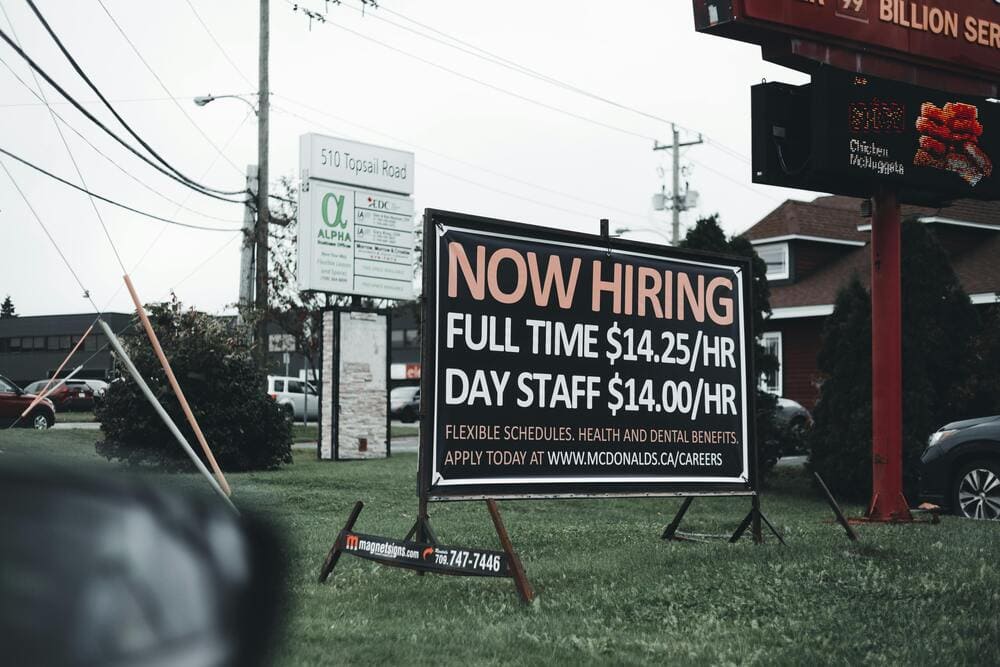
#1 Mental Health Support
Mental Health America’s report, “The State of Mental Health in America,” disclosed that 23.4% of adults in the U.S. (approximately 60 million individuals) faced AMI (any mental illness) within the previous year.
Numerous such conditions exhibit subtle signs, including changes in appetite and sleep patterns, which may be overlooked but diminish a person’s quality of life.
Mental health disorders, such as anxiety and depression, tend to exacerbate under stress and burnout in the workplace. The World Health Organization (WHO) revealed that enterprises worldwide lose 12 billion productive workdays each year due to depression and anxiety, costing nearly US$1 trillion.
Consider enhancing your workforce’s resilience in 2026 through mental health initiatives that encompass:
- Funding subscriptions for mental wellness and mindfulness applications like Headspace, Calm, and Happify. These platforms ought to address a broad range of mental health needs, such as stress management, substance abuse treatment, and online therapy.
- Providing virtual counseling services from certified and licensed mental health professionals.
- Creating meditation areas at work where employees can relax during breaks.
- Offering employee wellness activities such as yoga, art, and meditation classes to assist individuals in unwinding.
- Focusing on and incorporating AI solutions within your organization’s mental health offerings. User patterns from 2025 revealed that 48.7% of adults in America sought LLMs (large learning models) for psychological support. Such trends are anticipated to persist in 2026 with the emergence of personalized AI mental health providers like Quartet and Meru.
#2 Inclusive Parental Leave/ Family Stipend
Inclusive parental leave policies guarantee that employees from both traditional and non-traditional backgrounds receive equitable financial backing for their family obligations. These should encompass parental leave for surrogate mothers, adoptive parents, and single guardians. Such benefits transcend conventional parental roles, irrespective of a couple’s sexual orientation or gender identity.
Equitable parental leave packages enhance your organization’s reputation as an inclusive employer, amplifying talent attraction through diverse hiring practices. Parental leave may also be part of a family stipend, allowing employees to claim various family expenses. Your company stipends could cover:
- Paid childcare leave – employees can use the stipend for recurring expenses, including aftercare and in-home caregiving services.
- Bereavement leave
- Fertility consultations and procedures
- Family health and insurance
- Senior care for elderly parents and relatives
- Fertility Treatments
It is also crucial for your recruitment team to engage with candidates about family concerns and challenges to customize stipends according to evolving priorities. Consider reviewing state data on the average cost of expenses (e.g., average weekly daycare rates) to determine the most cost-effective stipend amount.
#3 Flexible Work Schedules
Flexible work schedules enable employees to achieve a work-life equilibrium as more organizations move away from traditional 9-5 frameworks. Consequently, a flexible schedule lowers stress levels, prevents burnout, and ensures your workforce remains rested, engaged, and focused on achieving organizational objectives.
Highlighting flexible work possibilities in your job description addresses the specific needs of candidates balancing multiple life obligations. These may include childcare responsibilities or health challenges that impact daily commutes, which could ultimately sway their decision to apply for a position.
A recent survey uncovered that 92% of millennials prioritize job flexibility during their job search. Additionally, the same study indicates that 80% of women seek flexibility for their next employment role.
Ongig’s Text Analyzer simplifies the management of essential job description sections and components like work flexibility, optimizing job searches to enhance application rates.
#4 Gender Affirming Medical Benefits
As per the Human Rights Campaign Foundation’s Corporate Equality Index, an increasing number of organizations are adopting gender transition policies.
These updates can enhance your company’s image as an inclusive employer while significantly benefiting the well-being of transgender employees. Medical studies indicate that 78% of transgender individuals who receive medical care see improvements in their mental health and lowered suicide rates.
Offering gender-affirming benefits to new employees lessens the financial strain of expensive medical consultations and reassignment surgeries. These policies align with the updates initiated by the American Medical Association, aimed at eliminating healthcare discrimination against transgender individuals.
Your recruitment team has the opportunity to promote inclusive hiring initiatives by providing gender-affirming benefits
more approachable to suitable recruits. For example, you might mention the presence of these employee perks in your job description or incorporate them into the employee manual.
Partnering with insurance companies that provide extensive coverage for transgender-related medical services is also crucial.
#5 Domestic Partner Benefits
Your organization can improve inclusive hiring by offering domestic partner benefits with perks akin to those provided to married couples. Consequently, these policies are applicable to employees who can substantiate that they have been cohabitating with their partner for a designated period. Other criteria for qualifying for domestic partnership benefits may include evidence of financial interdependence and the commitment and exclusivity of the relationship.
A workforce survey indicated that benefits for domestic partners are comparable in cost to those for spouses or other dependents. Adding domestic partner benefits to your job advertisements could attract unmarried candidates currently residing with their long-term partners while engaged in extensive family planning.
These inclusive employee perks have the potential to enhance your employee’s financial stability while they remain focused and driven in advancing their careers. Therefore, a domestic partner benefits package could encompass paid sick leave, retirement plans, and health and medical insurance.
#6 Unlimited Paid Time Off (PTO)

A people-centered workplace culture enhances employee involvement and efficiency by considering personal requirements. Indeed, an organization with a people-focused culture values employees as their most significant assets. Unlimited PTO serves as an effective compensation model for fostering a people-centered work atmosphere.
With PTO, employees enjoy endless paid time-off days instead of a predetermined amount designated at the commencement of their employment. Employees can utilize PTO according to their needs, ranging from childcare leave to vacation excursions or managing treatments for chronic illnesses. According to the policy, managers and supervisors can authorize the PTOs as long as employees meet their assigned responsibilities.
By offering unlimited PTO, you effectively cultivate a company culture based on trust. This fosters open communication between management and employees, thereby avoiding scheduling conflicts and misunderstandings. Over the long term, your organization can uphold greater accountability in talent management while remaining cost-efficient.
#7 Diverse Employee Networks
The most effective practices for inclusive hiring allow candidates of all backgrounds to integrate into your workplace culture. Providing diverse employee resource groups (ERG) options ensures your recruits have access to the resources and peer support necessary to acclimate to their roles.
Approximately 57% of employees in the United States reported advantages from participating in an ERG, such as enhanced job satisfaction and career progression. For the optimal employee experience, consider broadening ERG offerings beyond the more popular groups (e.g., women and LGBTQ+ communities).
ERGs that you might contemplate adding include:
- Intern networks – A community led by supervisors and managers experienced in collaborating with interns. Members can access valuable insights on job expectations and effective practices.
- Wellness networks—Employees in these groups receive positive reinforcement from fellow members to prevent burnout and achieve a healthier work-life balance. These networks can significantly bolster your company’s employee wellness initiatives.
- Parent networks – A collective for parent employees where members can share advice on childcare and managing work-life stress.
#8 Employee Rewards Programs
An employee rewards program fosters a sense of belonging and affirmation. Public acknowledgment of employee contributions significantly enhances your inclusive and DEIB initiatives. Incorporating employees into a program establishes a transparent system that appreciates individuals for their efforts.
By incentivizing employee inputs, you can consistently progress towards your organizational ambitions while maintaining a motivated workforce.
Furthermore, consider personalizing rewards according to your employee’s requirements to achieve the most favorable response. You might align your incentives with distinct employee value propositions or insights derived from organizational surveys.
Consulting firm Mercer emphasizes the following four crucial elements to maximize the effectiveness of your employee rewards programs:
- Market-informed (linking compensations to the latest market/industry standards)
- Performance-driven
- Equitable and consistent delivery
- Aimed at facilitating individual career advancement
Some inventive employee rewards involve gym membership discounts, educational tuition reimbursements, and one-time financial bonuses. These initiatives can elevate employee morale and reinforce company loyalty by illustrating that your organization recognizes and accommodates individual needs.
#9 Floating Holidays
Employees lead diverse lifestyles that influence their holiday preferences. Floating holidays provide the flexibility for employees to adjust holiday days off according to their preferred practices.
For example, an employee might exchange their Christmas Day off for the Songkran celebration (the Thai Water Festival, occurring annually on April 13). Floating holidays also nurture a culture of acceptance and appreciation of cultural and religious diversity.
Organizations often apply floating holidays to national observances such as New Year’s Day, Memorial Day, Independence Day, and Thanksgiving Day.
Additionally, you might introduce an inclusive clause in your employee contracts that clearly states individuals may freely observe their traditional and cultural holidays. This fosters a strong sense of empathy, signifying that your team accepts recruits from all backgrounds and values them as more than just contributors but as individuals.
From an employer’s standpoint, these practices enhance business continuity by staggering leave during peak times. Your hiring team could use this policy to improve talent acquisition since the Fair Labor Standards Act does not currently mandate floating holidays as a requirement.
#10 Diverse Healthcare Provider Schemes
Broadening your organization’s healthcare provider network can improve the quality of service and treatment options for employees from diverse backgrounds. Industry research shows that individuals…
tend to experience enhanced recovery, patient contentment, and compliance with medical guidelines when attended to by providers from similar communities.
Research indicates that patients and healthcare providers originating from comparable backgrounds forge stronger connections based on trust and comprehension, which mitigates implicit biases. Your organization can optimize employee healthcare results by strategically designating individuals to healthcare professionals from their respective communities.
Your talent managers can expand healthcare provider choices by:
- Expanding medical provider selections through discussions with health insurers or third-party administrators.
- Providing bilingual telehealth services in alternative languages, such as Chinese or Spanish, to serve various communities.
- Suggesting mobile app solutions like HUED, which connects users with equitable and inclusive healthcare specialists.
#11 Employee Assistance Programs (EAPs)
EAPs furnish employees with accessible resources and professional assistance to excel when life presents challenges.
These comprehensive employee benefits may encompass mental health services and physical health advantages, including short-term counseling initiatives, financial guidance, and medical treatments. Businesses can offer EAPs through third-party providers such as LifeWorks and CorpCare.
EAPs assist employees in managing emotional turmoil or significant life events like marriages, bereavement, and family planning. A well-implemented EAP can also empower management teams with impactful mentoring opportunities to elevate the capabilities of their team.
Studies reveal that EAPs decrease absenteeism by 70%, keeping employees engaged and motivated as they face life’s hurdles.
Therefore, these supportive programs could enhance your organization’s productivity, as the Center for Disease Control and Prevention (CDC) states that absenteeism in the U.S. results in $225.8 billion lost annually in productivity. Furthermore, the Employee Assistance Society of North America reported that companies gain an average of $3-$5 for every $1 spent on EAPs by elevating productivity while curtailing healthcare costs.
For optimal outcomes, it is essential to choose an EAP provider that serves a diverse community. Some factors to weigh while making a decision include:
- 24/7 availability of therapists
- Content translation
- User anonymity to protect employees’ privacy.
#12 Hybrid/Back-to-Office Support
Findings from a survey by ResumeBuilder.com indicate that despite the trend toward remote work, a significant proportion of businesses (3 in 10) are projected to transition to entirely on-premise setups by 2026. For half of these organizations, employees will need to work from the office a minimum of four days a week.
These trends may largely stem from employers linking workplace visibility with productivity, loyalty, and corporate culture. The conflicting views between hires and employees could create a complicated environment where it is crucial for talent managers to provide inclusive incentives to motivate talent as they adjust to hybrid or fully in-office arrangements.
The following incentives could maintain employee engagement as they return to the office:
- Flexible office hours: If feasible, employees could select hours for reporting when they are most productive or to avoid peak traffic. Such enhancements in the work-life dynamic could elevate morale and performance.
- Dry cleaning allowance: These minor allowances can help alleviate overall expenses as employees switch back to standard office attire.
- Transport allowance: Commuting can be one of the most significant inconveniences of on-site work, involving ongoing costs and precious time spent traveling. Therefore, workplace subsidies and stipends for parking, fuel, and public transport could alleviate one of the primary obstacles to returning to the office.
- Memorable in-office experiences: Unique on-site arrangements can help employees feel welcomed and valued as they strengthen workplace culture. Offerings may consist of gourmet meals, innovative areas where team members can exchange ideas and brainstorm via interactive whiteboards, or gamified team-building activities, such as Lego Serious Play.
#13 Pet-Related Benefits
Pet insurance is a savvy employee incentive to include in your job advertisements as more individuals choose to care for pets/fur babies instead of having children. These inclusive employee benefits ease the financial strain and anxiety of expensive veterinary treatments and therapies (e.g., a wound treatment for a dog could range from $800 to $2500).
Acknowledging pets as unconventional dependents reflects a company’s compassion in supporting varied employee lifestyles, thereby positioning itself as a forward-thinking and inclusive employer.
Teams may incorporate pet bereavement leave policies that officially recognize the emotional toll of losing a pet, demonstrating the company’s commitment to pet-related benefits. These initiatives further affirm employees’ attachment to their pets, fostering a more accepting workplace culture that can promote a sense of belonging and appreciation.
As an inclusive alternative, consider offering flexible lifestyle spending accounts (LSAs) with pet coverage. These allow each employee to allocate the same funds based on personal, pet, or family member requirements.
#14 Education Assistance Programs
Education assistance programs enable employees keen on enhancing their professional and academic expertise through lifelong learning. You could provide inclusive employee benefits like tuition reimbursement, course subsidies, or direct employees to courses that may help achieve individual career advancement objectives.
Consulting firm GP Strategies suggests the following strategies for improving your organization’s education assistance programs:
- Aligning tuition initiatives with business objectives.
- Defining the effectiveness of your education assistance programs using measurable KPI data such as retention and turnover rates.
- Collecting regular employee/participant feedback to gauge the success of your initiatives.
- Continuously assessing and enhancing education assistance programs based on costs and relevance.
#15 Professional Networking Opportunities
Businesses that provide professional networking opportunities offer employees unique industry exposure that can significantly boost their long-term career prospects. These sponsored initiatives may consist of professional conferences, roundtable discussions, workforce focus groups, and career association memberships.
For a more inclusive strategy, think about pairing employees from underrepresented groups with events organized by their communities (e.g., women in tech networks promoting gender diversity in technology).
sectors). These networking occasions can also enhance involvement as staff gain insights from industry professionals with relatable and pertinent career journeys.

#16 Adoption Support
Domestic adoptions in the United States have increased in recent times. The journey to adopt a child can be highly expensive and taxing on an individual’s emotional well-being. Offering adoption perks can help alleviate the difficulties encountered by team members who embark on the lengthy and winding path of adoption. Your organization’s adoption perks may consist of:
- Paid time off designated for adoptive parents.
- Reimbursements for consultation regarding adoption, transportation, legal expenses, and other associated costs.
- Subsidization or sponsorship of preparatory courses for parents and coaching for transitions.
#17 Neurodiversity Support
It is vital for employers to embrace neurodiversity in the workplace and recognize that individuals perceive and engage with the world in distinct ways. By doing so, firms can provide each employee with the appropriate tools and backing to continually enhance their performance and workplace interactions.
Neurodiversity initiatives in the workplace may comprise:
- Specialized coaching for individuals with ADHD, dyslexia, and autism
- Task-management software tailored for neuro-inclusion
- Noise-canceling headphones to improve focus in the workplace
Inclusive Employee Benefits as a Foundation of DEI Strategy
Numerous inclusive organizations have now recognized that inclusive benefits plans offer an excellent method to assist diverse employees and foster a more inclusive workplace culture. Thus, providing benefits that address the varied needs of employees is an essential measure in promoting equal access and nurturing an environment where everyone can flourish.
Addressing the Varied Needs of Your Employees with Inclusive Employee Benefits
A uniform approach to benefits is no longer sufficient. Employees originate from diverse backgrounds and confront unique challenges influenced by factors such as marital status, family dynamics, workplace location, or financial condition. For instance, adoptive parents, people of color, and other minority groups might necessitate benefits that traditional plans seldom cover. Hence, providing family-building advantages, maternity leave, or even remote work arrangements is an effective way to demonstrate to employees your commitment to their individual needs.
Benefit Design is Crucial with Inclusive Employee Benefits
To genuinely support a varied workforce, your benefits plan design ought to be adaptable and inclusive. Thus, contemplate introducing options like wellness stipends, tuition reimbursement, and financial wellness programs that extend beyond conventional benefits such as healthcare and retirement plans. These novel benefits also help guarantee that employees have equitable access to resources enabling them to perform at their best in the workplace.
Employee Input is Essential for Inclusive Employee Benefits
An excellent strategy for enhancing your inclusive benefits package is to routinely collect employee input. Surveys, exit interviews, and discussions with fellow employees can provide insights into the requirements of your workforce and unveil shortcomings in your existing benefits package. Therefore, incorporating employees in the benefits plan design process permits company leaders to create an inclusive benefits offering that supports all employees, independent of their cultural background or financial situation.
Inclusive Employee Benefits and Organizational Success
Research indicates that inclusive benefits lead to improved health, higher employee satisfaction, and enhanced overall well-being. Offering an inclusive benefits package is also the most effective means to attract and retain top talent. It signifies to diverse candidates that your organization values inclusivity and also affords everyone an equal opportunity to succeed.
Fostering an Inclusive Work Culture Through Inclusive Employee Benefits
Establishing an inclusive work culture extends beyond merely offering appropriate benefits. It also involves ensuring employees feel comfortable presenting their complete selves at work. Hence, by providing an inclusive benefits plan, you are taking the initial step toward cultivating a sense of community where employees from all backgrounds believe they have equitable access to opportunities and support.
Why I Composed This?
Ongig’s Text Analyzer platform utilizes advanced AI algorithms that substitute monotonous and biased JDs with fair and effective alternatives. Consequently, your hiring team can harness the Text Analyzer to promote employee benefits on a large scale, capturing the attention of top candidates. Therefore, request a demo with Ongig to enhance your talent acquisition campaigns effortlessly.
Shout-Outs:
- World Health Organization – Depression
- Mental Health America – The State of Mental Health in America 2023
- By Holly Bengfort, PeopleKeep – What is a childcare stipend?
- Compt – The Ultimate Guide to Employee Family Stipends
- By Jenn Goddu, Sogolytics – The Future is Flexible: How Flexibility Attracts Job Seekers
- Human Rights Campaign – Transgender-Inclusive Benefits for Employees and Dependents
- By Cara Hutto, Inhersight – 27 Companies with Transgender Health Care Benefits
- Human Rights Campaign – Domestic Partner Benefits: Cost and Utilization
- Gitnux MarketData Report 2024
- By Hise Gibson, SHRM – How Workplace Wellness Programs Can Give Employees the Energy Boost They Need
- Mercer – Strategic reward and recognition programs engage and motivate employees
- Bamboo HR – Floating Holiday
- Hued – Creating equitable and inclusive healthcare through education and access, from the inside out.
- HRD – Employee assistance programs reduce absenteeism
- By Erik van Vulpen, AIHR – Absenteeism in the Workplace: A Full Guide
- Upwork Study Finds 22% of American Workforce Will Be Remote by 2025
- People Keep – How to support remote employees’ health and well-being
- By Susan Meyer, The Zebra – Average cost of a vet visit for dogs: Must-know facts and figures
- Indeed – How to Handle Pet Bereavement in the Workplace
- GP Strategies – 10 Tips to Education Assistance Program Excellence
- Cincinnati Right to Life – With Adoptions on the Rise, Experts Say Trend Likely to Continue Post-Dobbs
- ResearchGate – Large Language Models as Mental Health Resources: Patterns of Use in the United States