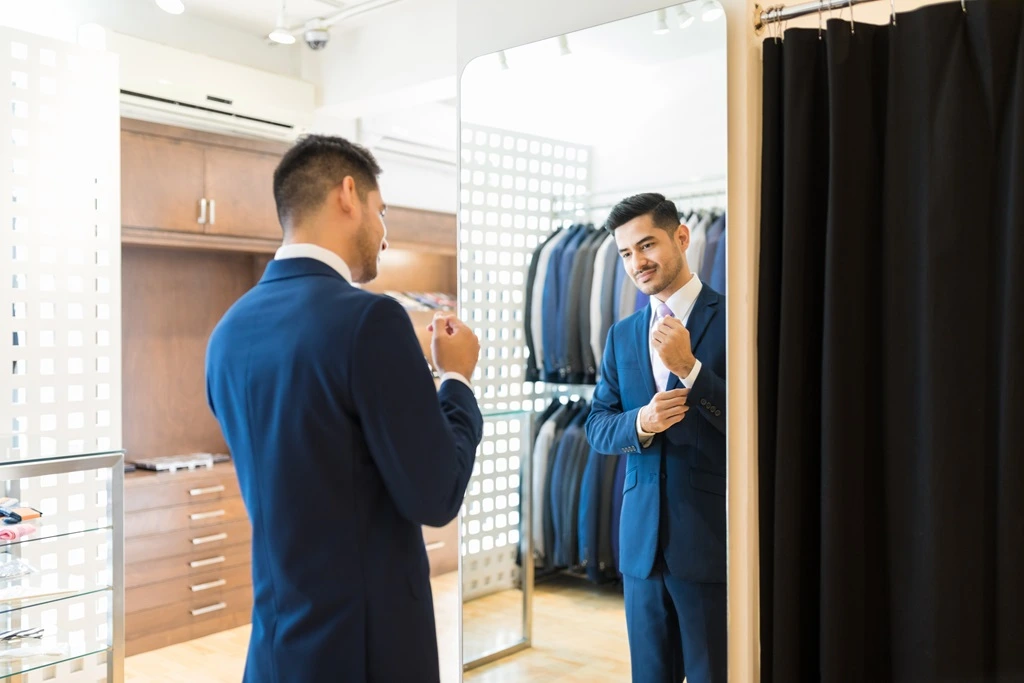
Job hunters across various sectors frequently acknowledge how difficult it can be to differentiate oneself in the current competitive recruitment landscape. Beyond resumes and answers during interviews, visual presentation significantly sways perceptions. Numerous competent professionals miss opportunities not due to a deficiency of abilities, but because their clothing conveys the wrong message throughout the interview process. Understanding what to don and what to avoid wearing for an interview can substantially influence how candidates are viewed by prospective employers.
Professional advancement specialists consistently highlight how interview clothing indicates professionalism, reliability, and cultural alignment. This advice is equally vital for entry-level applicants, executives, recent alumni, federal candidates, healthcare workers, educators, IT specialists, and military-to-civilian job seekers. This all-inclusive guide delivers crucial advice on interview clothing to ensure confidence and coherence with employer anticipations in the United States and Canada.
Essential Interview Preparation Statistics:
- 75% of hiring managers state that applicants’ clothing affects their recruitment choices (Source: WiFiTalents).
- 51% of employers acknowledge that their initial impressions are influenced by what candidates wear and their demeanor (Source: MaxwellStephens).
- More than 40% of job interviewers believe that individuals who dress professionally are more likely to be employed, regardless of minor gaps in their resumes (Source: Forbes).
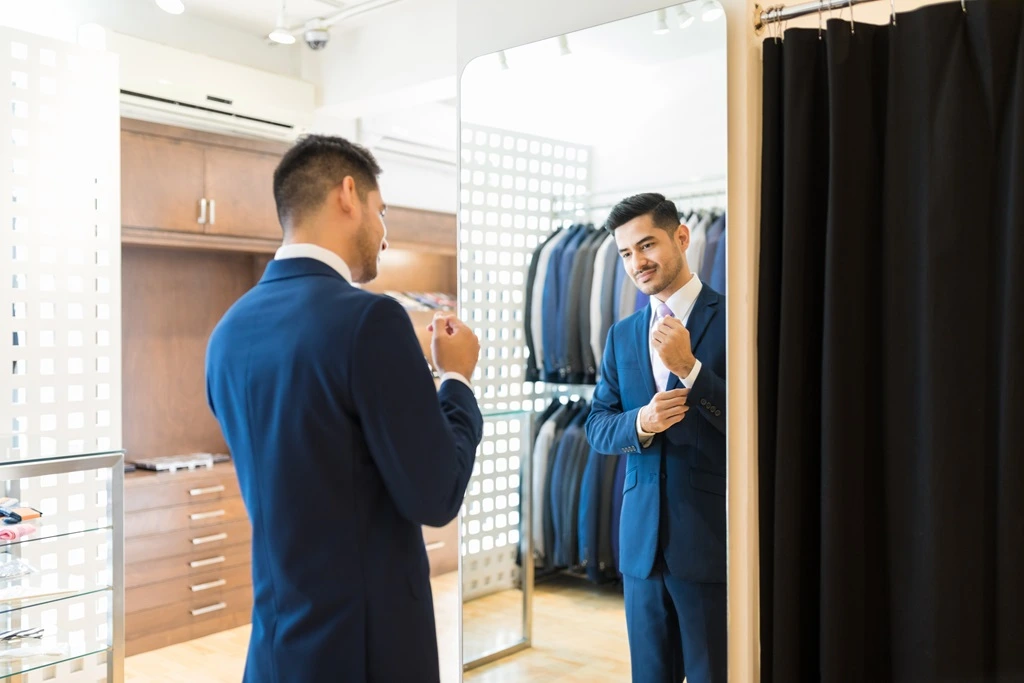
Clarifying Interview Attire Expectations
The anticipated standard of interview clothing differs across sectors, yet professionalism remains a consistent necessity. In traditional fields such as law, finance, and government, suits continue to be the standard. In sectors like technology or startups, business casual attire often aligns better with company culture. Recognizing what to wear and not to wear for an interview, depending on the company’s atmosphere, enables candidates to harmonize their presentation with hiring expectations. Investigating employer branding, job postings, and leadership images disseminated on potential employers’ platforms provides useful insights into dress codes.
For federal applications, strict adherence to formal standards often takes precedence. Healthcare candidates should contemplate professional attire that simultaneously conveys practicality and cleanliness. Military-to-civilian professionals entering corporate roles benefit from clothing that balances authority with friendliness. Case studies indicate that first impressions, reinforced by attire, significantly shape hiring managers’ views before an interaction even begins. In fact, organizing attire effectively is as impactful as an opening statement in interviews, establishing the tone swiftly.
What to Wear for an Interview
Across various sectors, a well-fitted ensemble conveys readiness. Let’s examine how to dress for triumph across different industries and venues.
Corporate and Traditional Positions (Finance, Law, and Government)
- Men: Navy, gray, or black suits, matched with pressed dress shirts and polished shoes, enhance trustworthiness.
- Women: Pantsuit or skirt suit in neutral shades, paired with a tailored blouse and closed-toe, low-heeled shoes, preserves formality.
Business Casual Environment (Tech, Startups, and Creative Fields)
- Men: Collared button-up shirts or blouses with blazers and tailored trousers create a refined appearance.
- Women: Blouses combined with skirts or pantsuits strike the right equilibrium. Incorporating a subtle tie or scarf can also add understated touches that reflect personality while sustaining professionalism.
Skilled Trades and Practical Roles (Healthcare and Education)
- Men/Women: Merging collared shirts with dark trousers or skirts can guarantee tidy and well-maintained clothing. Emphasize cleanliness and simplicity, avoiding loose fittings that could disrupt tasks.
Robust attire standards complement other readiness factors, such as effective interview preparation methods that foster confidence.
What Not to Wear for an Interview
While the appropriate outfit bolsters confidence, certain selections can undermine professional impressions. Here’s what to bypass:
- Overly casual clothing: Jeans, sandals, crop tops, or T-shirts indicate a lack of seriousness.
- Bright hues or distracting patterns: Flashy prints, neon colors, or eye-catching accessories might divert hiring managers from qualifications.
- Excessive adornments: Overly abundant jewelry, strongly scented fragrances, or oversized bags could overwhelm interviewers and detract from professional discussions. Prioritizing simplicity often yields more favorable outcomes than attempting bold fashion risks.
- Wrinkled or unkempt clothing: Hygiene significantly factors in. Poor grooming can undermine even well-selected attire and suggest a lack of preparation.
To ensure candidates project professional authority, attire decisions should align with the same meticulous planning applied to crafting winning resumes and preparing for interviews.
Gender-Inclusive Attire Guidelines
Gender expression impacts clothing preferences. However, contemporary inclusivity allows each professional to communicate identity within professional boundaries. Candidates should opt for attire that resonates with their identity while upholding a polished appearance:
- Suits and Separates: Tailored suits in neutral tones (navy, gray, black) suit all genders. Pair with a dress shirt or blouse.
- Accessories: Favor minimalistic choices. Items such as simple timepieces, modest jewelry, or structured bags enhance visual appeal when kept streamlined.
- Footwear: Clean, closed-toe shoes (e.g., loafers, flats, or low heels) complete the appearance.
- Grooming: Well-groomed hair, subtle fragrance, and professional shoes enhance a polished image. Neat, well-fitting clothing is crucial to making a professional impact.
These guidelines are applicable irrespective of gender identity, emphasizing an equal focus on professionalism. Developing an attire plan ensures that personal presentation bolsters the abilities already exhibited in strong resume illustrations presented to interviewers.
Interview Attire by Job Level
Selecting appropriate attire for an interview is vital, as it can considerably shape the initial impression on prospective employers.
- Executives typically face the greatest expectations. Custom-fitted suits, high-quality materials, and subtle sophistication are anticipated at high-level positions.
- Middle management positions demand contemporary business wear,
- Entry-level candidates can depend on affordable yet tidy suits or polished separates.
- Students and recent graduates should invest in adaptable clothing items to ensure preparedness for various opportunities.
- Freelancers or remote workers frequently pitch to a range of clients. For corporate engagements, wearing a suit or blazer conveys authority. For creative firms, a fashionable yet professional outfit (e.g., a collared shirt with a blazer) showcases personality.
For high-profile careers such as healthcare, education, or client-oriented service fields, appearance is often an extension of workplace standards. Academic interviews may favor conservative clothing, while IT settings may appreciate simplified yet polished business casual. These selections parallel how various resume formats—functional, chronological, or hybrid—effectively embody different professional phases, as illustrated in resume format examples.
Regional Considerations in the United States and Canada
Cultural and geographical factors influence attire choices. In financial centers like New York, Toronto, or Washington, conservative suits are prevalent. On the West Coast, particularly in tech-focused regions such as San Francisco or Vancouver, business casual norms may dominate. Seasonal elements also affect attire: winter interviews in Canada might require darker, layered clothing, while summer interviews in the southern U.S. may permit lighter fabrics while maintaining professionalism.
Professionals pursuing federal roles in Ottawa or Washington, D.C. should embrace highly formal attire. Sectors in smaller to mid-size markets may balance expectations with local customs. In all instances, planning an attire strategy should align with broader career guidance and job preparation resources to ensure coherence with professional presence.
Bringing It All Together for Interview Success
Professional attire stands as one of the most potent non-verbal indicators in the hiring process. Candidates aiming for influence should keep in mind that maintaining choices neutral, tidy, and in harmony with employer culture enhances credibility from the beginning. Most industries consider attire as a component of an overall profile, emphasizing how resumes, professional branding, and communication overlap. Many candidates boost their confidence with resume writing services that guarantee both their documents and their presence convey authority during each interview phase.
Frequently Asked Questions
What colors are optimal for interviews?
Neutral hues like navy, black, gray, and white consistently create the most favorable impression. These tones suggest professionalism and align with both conservative and creative sectors, ensuring candidates appear earnest and refined.
Are jeans ever permissible for interviews?
Jeans are generally discouraged unless the interview pertains to a very casual position, such as retail or certain startup environments where culture embraces informality. Even then, dark, fitted jeans paired with a blazer may be a safer choice.
Can candidates sport business casual for all interviews?
Business casual is suitable in sectors such as startups, technology, and creative fields. However, corporate, finance, legal, and governmental positions typically expect formal suits.
Should accessories be limited during interviews?
Yes. Subdued accessories such as a watch, belt, or handbag are acceptable. Steer clear of excessive jewelry, bright colors, or anything distracting. The focus should remain on professionalism and the candidate’s qualifications.
How much does attire genuinely affect interview success?
Research indicates that attire significantly impacts lasting first impressions. Studies show that over 75% of hiring managers consider how candidates present themselves when forming opinions, making attire as crucial as interview responses.